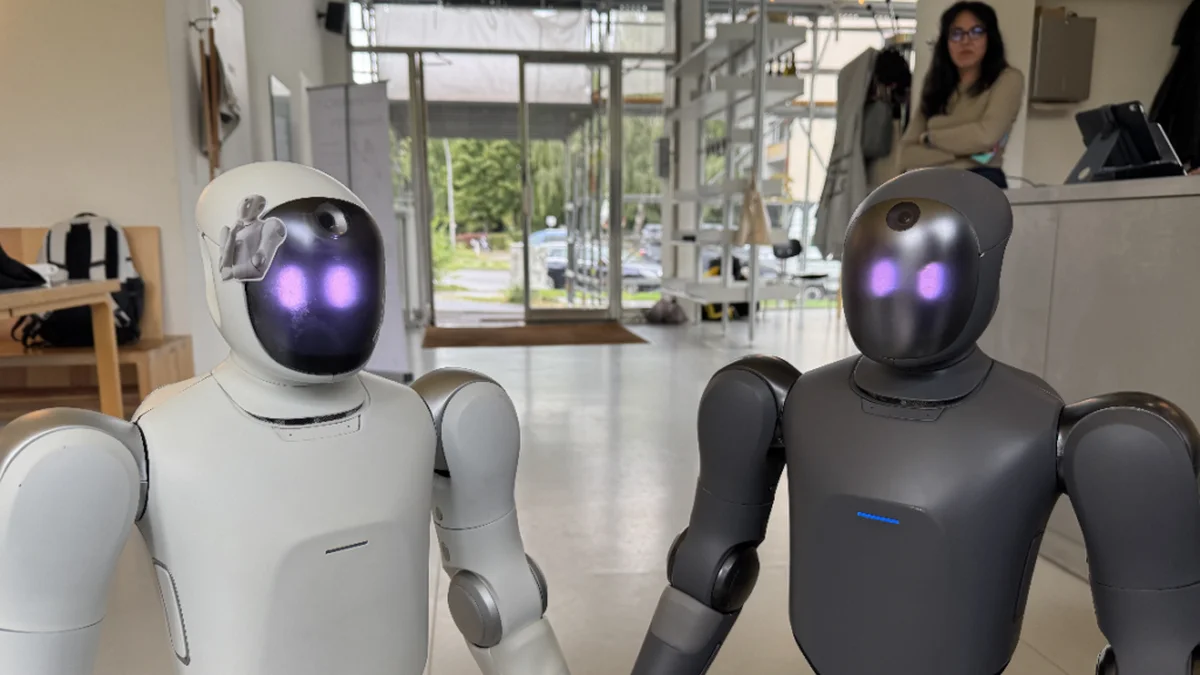
A Chinese consumer humanoid robot is entering commercial delivery on October 1, 2026, with an entry price of 19,999 yuan (approximately $2,987 USD).
It stands exactly 88 centimeters tall and weighs 15 kilograms. This specific detail is what makes the development significant, not an afterthought.
While Western humanoid developers remain focused on full-sized 1.75 m and 75 kg industrial workers designed for automotive assembly plants, Shanghai-based startup PrimeBOT (Qiyuan Robotics) is executing an entirely different playbook: solving domestic safety, driving component miniaturization, and creating an aggressive price floor for the entire robotics industry.
Two Complementary Morphologies: The Biped Q1 and Transformable T1
PrimeBOT has introduced two distinct machines simultaneously to target consumer, education, and developer environments:
- PrimeBOT Q1 (Biped Humanoid): Standing 88 cm tall and weighing 15 kg, the Q1 features 22 degrees of freedom (DOF) powered by proprietary quasi-direct-drive (QDD) actuators. It integrates full-body impedance and force control, allowing it to navigate domestic spaces, interact with humans, and absorb physical shocks without presenting the kinetic hazard of an 80 kg biped.
- PrimeBOT T1 (Transformable Personal Robot): The T1 introduces an innovative cross-morphology architecture. Indoors, it functions as a wheeled-legged upright humanoid, gliding across flat floors. When transitioning outdoors, it automatically drops onto all fours into a quadruped configuration to handle grass, gravel paths, steep inclines, and garden steps.
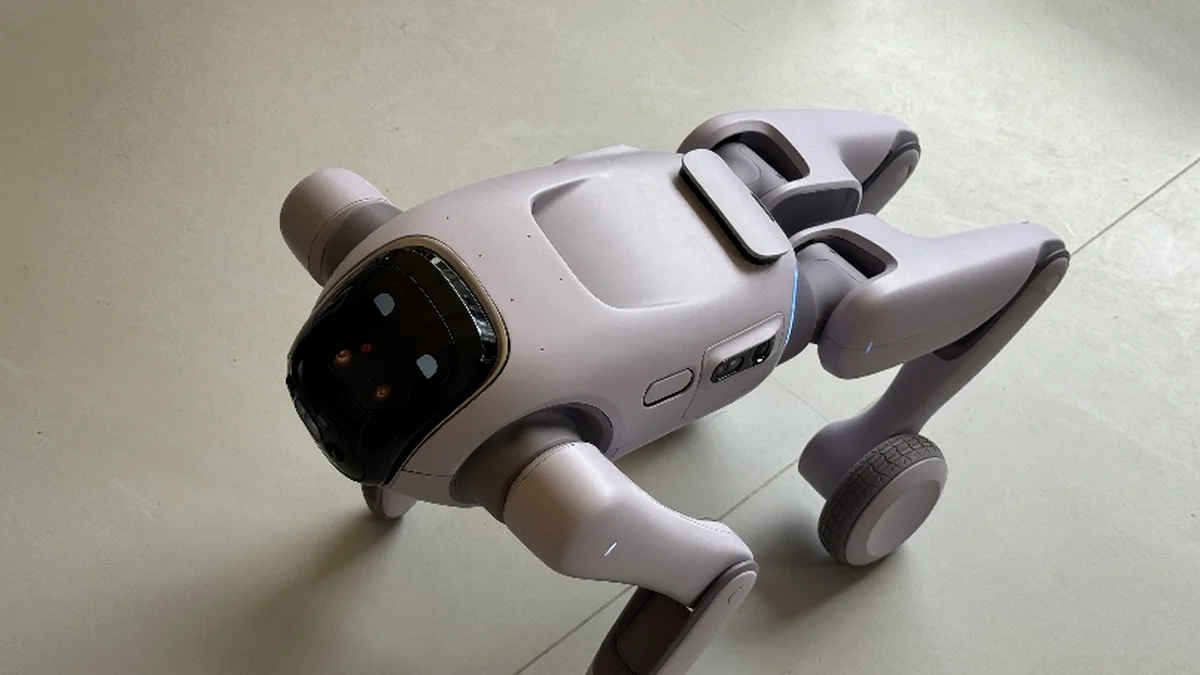
The catalog is segmented across multiple configurations:
- PrimeBOT Q1 Standard: 19,999 yuan (~$2,987)
- PrimeBOT Q1 Explorer Edition: 26,999 yuan (~$4,000)
- PrimeBOT T1 Standard: 19,999 yuan (~$2,987)
- PrimeBOT T1 Pro: 29,999 yuan (~$4,500)
On the software layer, PrimeBOT has integrated Tencent Cloud WorkBuddy, providing voice transcription, meeting reminders, and multi-modal interaction. The robot effectively acts as a physical desk assistant and smart companion rather than a passive toy.
You can inspect the full kinematic diagrams, battery runtimes, and engineering specs on the PrimeBOT Q1 Spec Sheet and PrimeBOT T1 Spec Sheet.
The Real Breakthrough: Industrializing the 47 mm, 85 N·m/kg Actuator
The most crucial aspect of PrimeBOT’s announcement is not the exterior chassis, but a single internal component.
PrimeBOT has successfully industrialized a 47 mm modular joint actuator weighing only 260 grams, achieving a peak torque density of 85 N·m per kilogram, manufactured on an automated assembly line.
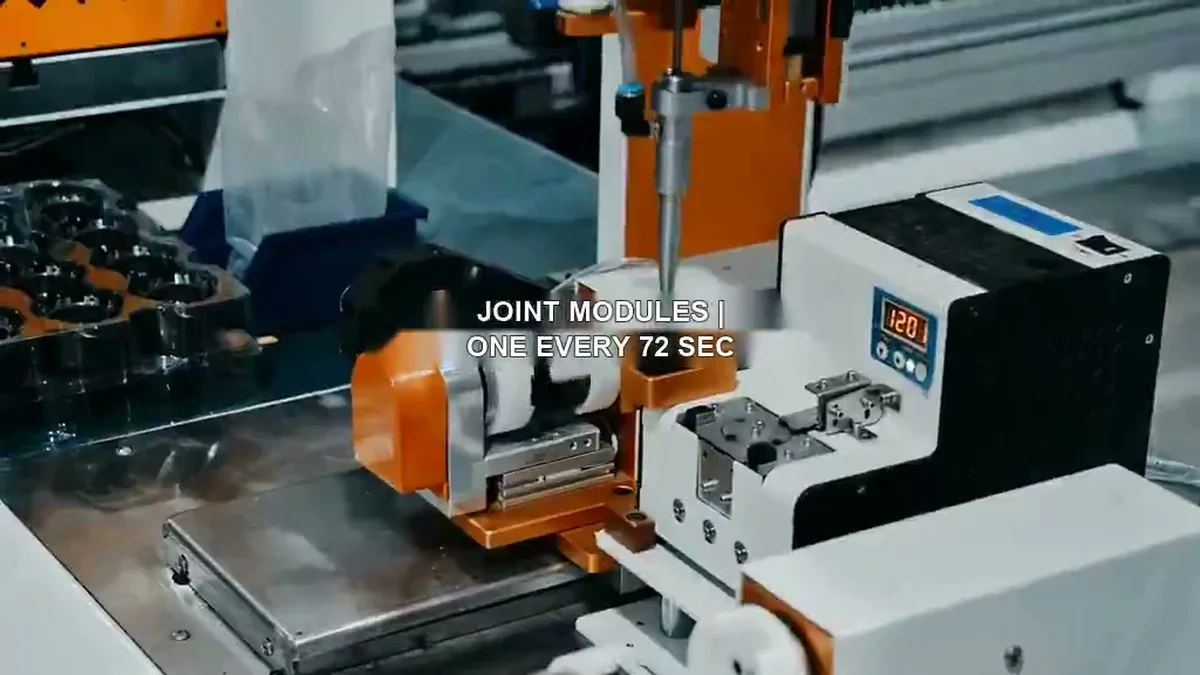
Why this engineering milestone matters:
- In any humanoid or embodied AI platform, actuators represent over 50% to 60% of total bill-of-materials (BOM) costs. Precision cycloidal and harmonic gearheads have traditionally kept prototype costs between $30,000 and $100,000.
- Any manufacturer capable of producing reliable, high-torque-density actuators at scale sets the floor price for every competitor in the market.
- The $3,000 personal robot is not merely a retail gadget; it serves as a live manufacturing demonstration of China’s component supply chain maturity.
A Two-Pronged Strategy: Living Rooms in Shanghai, Smart Factories in Liuzhou
PrimeBOT’s consumer launch coincided with another major industrial milestone in China during the third week of September 2026.
In Liuzhou, Guangxi, UBTech Robotics officially inaugurated its 14,000 m² “super smart factory” built in partnership with Siemens Digital Industries Software. Powered by Siemens digital twin simulations and the Yanshee MOM manufacturing operations platform, the Liuzhou plant is engineered to build 10,000 industrial humanoid robots per year (such as the Walker S series), achieving a cycle time of one industrial robot every 10 minutes through automated “robots building robots” workflows.
The strategic alignment is undeniable: consumer and light-duty robots entering living rooms at under $3,000 from Shanghai on one side, and high-payload industrial bipeds entering automotive plants from Liuzhou on the other. Explore the complete industrial ecosystem in our Humanoid Robotics Hub.
Separating Verified Manufacturing Cadence from Social Media Hype
As frequently observed with emerging hardware announcements, viral social media posts have created confusion regarding production numbers.
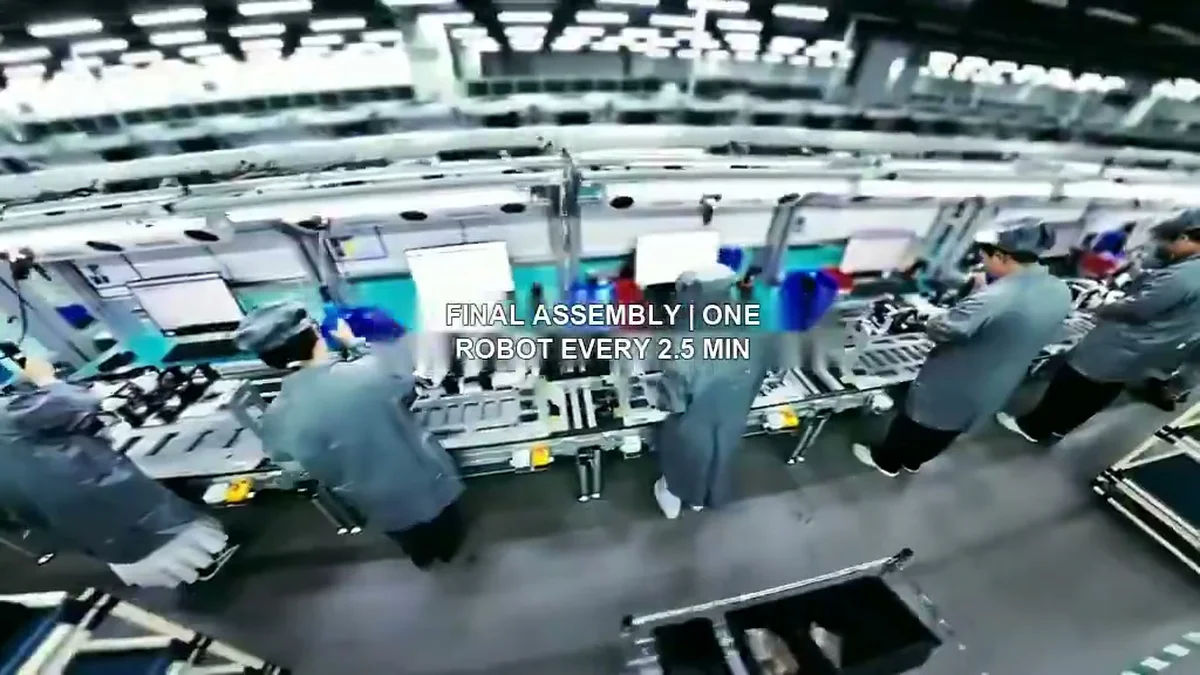
Several clips claimed that PrimeBOT was assembling “one robot every 2 minutes and 30 seconds” and aiming for “10,000 units per month.” The officially verified and documented figures from manufacturer filings and enterprise partners belong to the UBTech-Siemens Liuzhou plant: a cycle time of one robot every 10 minutes and a planned annual capacity of 10,000 industrial units.
What This Means for International and Western Buyers
For buyers outside China, this commercial milestone requires a realistic perspective:
- Geographic Availability: Deliveries starting October 1, 2026, are initially restricted to mainland China, supported by seven authorized experience stores in major cities (Shanghai, Shenzhen, Guangzhou, Hangzhou).
- Certifications and Localization: Global exports to the United States and Europe remain pending CE and FCC regulatory approvals, as well as English language localization for the Tencent Cloud WorkBuddy software stack.
- Supply Chain Impact: Even before direct retail availability in Western markets, PrimeBOT’s actuator breakthrough creates immediate deflationary pressure on Western robotics startups, forcing competitors like Tesla Optimus, Figure, and Unitree to accelerate modular cost reductions.