Best for
- Lawns up to 2,000 m2
- Balanced weight and capacity
- LiDAR without RTK
SpecsLib adapts language, currency and estimated prices to your context.
Language
Country and currency
LiDAX Ultra 2000 is the larger RWD MOVA model with 360 LiDAR, AI vision and a 5 Ah battery.
Specs verified on
Sold in the United States
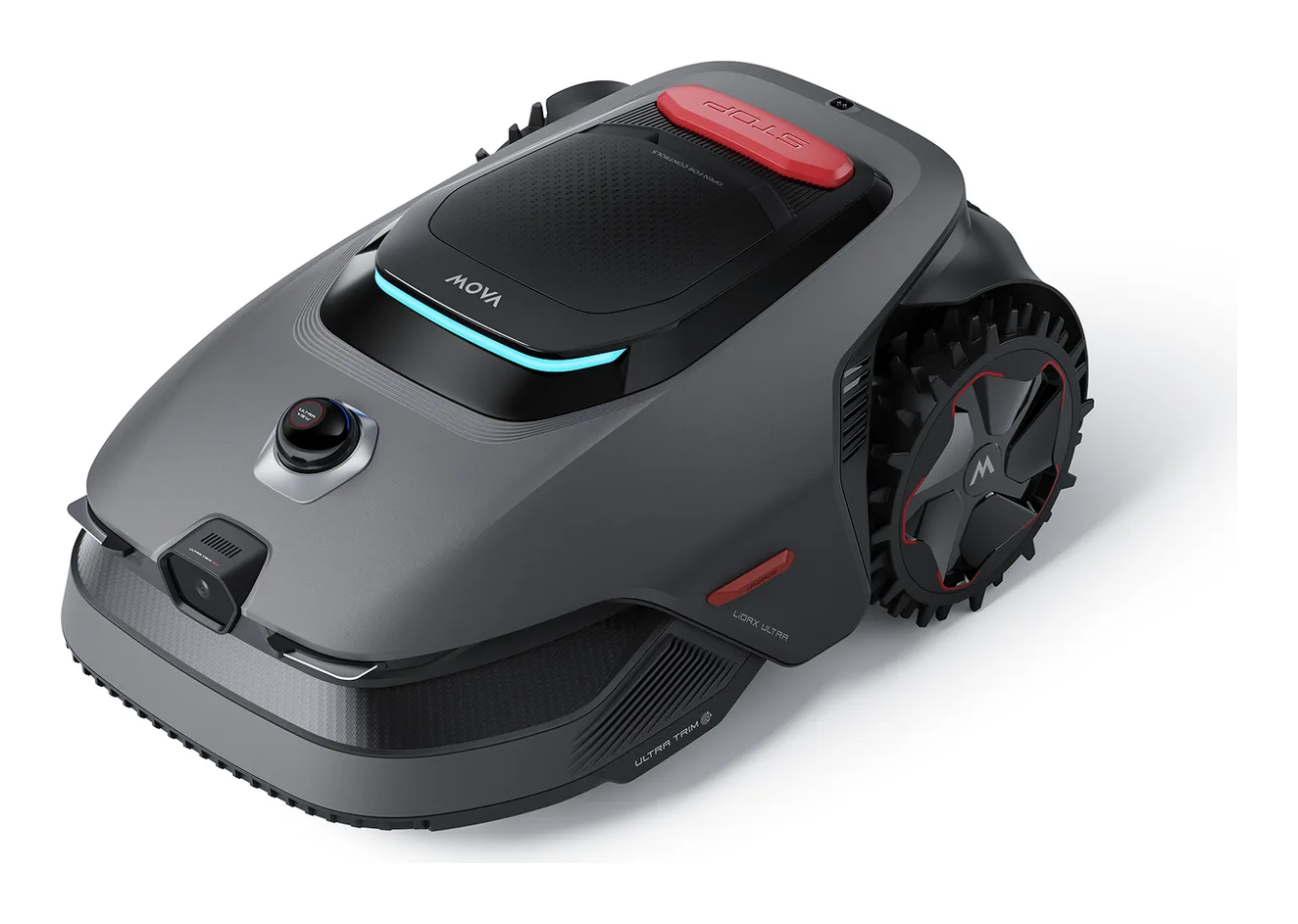
Pick it when you need more coverage without stepping up to the heavier and pricier AWD series.
These indicators are computed by SpecsLib from official manufacturer specs. They do not appear as such in any brand's documentation.
Square feet covered per euro spent. The higher the ratio, the better the area-to-price value.
SpecsLib estimate (max area ÷ runtime), not published by the manufacturer: actual mowing time includes mapping, obstacle avoidance and recharging, so this figure likely overstates real-world throughput.
Normalised score based on the declared maximum slope (45%). 100 = mechanical limit, 0 = flat ground.
Underlined terms open a plain-language explanation of navigation, detection and ecosystem technologies.
| Recommended area | 0.49 acres (21,528 sq ft) |
|---|---|
| Claimed daily capacity | 0.40 acres (17,222 sq ft) |
| Launch year | 2026 |
| Maximum slope | 45 % |
| Cutting height | 30-100 mm |
| Cutting width | 7.9 inches |
| Drive system | Rear-wheel drive |
| Battery | 5 Ah / 18 V |
| Replaceable battery | Yes |
| Charge time | 65 min |
| Runtime per charge | 90 min |
| Dimensions | 26.2 x 17.5 x 10.7 inches |
| Navigation | LiDARLiDARLaser distance sensing used for mapping and detection. + Vision + Remote mappingMappingBuilding the map of the garden the mower uses to plan its passes. |
| Perimeter-wire free | Yes |
| Obstacle avoidance | UltraView 2.0UltraViewMOVA sensing stack combining LiDAR and vision depending on the model. LiDARLiDARLaser distance sensing used for mapping and detection. 360 + AI visionAI VisionAI camera system for object avoidance and navigation support. |
| Connectivity | App + Wi-Fi + Bluetooth + 4G |
| Boundary setup | Remote control + AI-assisted auto mappingMappingBuilding the map of the garden the mower uses to plan its passes. |
| Mowing modes | Full area + Zone + Edge + Spot + Manual |
| Dual map | Yes |
| Included 4G | 3 years |
| AirTag | Yes |
| Remote camera view | Yes |
| Patrol mode | Yes |
| Human detection | Yes |
| Two-way audio | Yes |
| Anti-theft / tracking | Link service + 4G tracking + Google Maps tracking + Off-map alert + Lift alert + App alerts + AirTagAirTagApple tracker useful for theft recovery, usually sold separately. slot |
| Charge current | 3 A |
| Rain sensor | Yes |
| Noise level | 57 dBNoise level (dB)Noise produced while running, in decibels, on a scale that is not linear. |
| Water protection | IPX6IPX ratingWater-resistance rating, not a blanket immersion guarantee. |
| Weight | 30.4 lbs |
| Multi-zone management | 150 zones |
| Edge distance | 1.2 inches |
| Obstacle crossing | 1.6 inches |
| Minimum passage | 23.6 inches |
| Warranty | 3 years |
What the brand promises, what independent tests actually found, and the limit to plan around.
360° 3D LiDARLiDARLaser distance sensing used for mapping and detection. and twin AI cameras build a 2D and 3D map of the plot, with no boundary wireBoundary wireWire pinned or buried around the lawn, telling the mower where its zone ends. and no antenna.
Computerworld got an accurate map and a clean cut on the LiDAXLiDAXMOVA mower range focused on LiDAR, vision and wire-free setup. Ultra 1000, with the camera reacting quickly to a football and a wheelbarrow pushed in front of the mower. Measured range holds 150 to 170 minutes per charge, but drops by about half on hilly ground, wet grass or long grass. Charging returns to 90% in roughly forty minutes.
No LED lighting for night mowing, even though the test ran without incident, and no display on the machine itself. Under low branches, map height has to be corrected by hand.
Sources: Computerworld (CH) : Mähroboter Mova LiDAX Ultra 1000 im Test
The cutting deckCutting systemBlade or deck type used to cut the grass. shifts outward to mow as close as possible to walls and fixed obstacles.
Computerworld measured under 3 cm to the wall on the LiDAX Ultra 1000. On the AWDAWD (all-wheel drive)Every wheel drives (usually four, occasionally three depending on the model), which helps on slopes, soft ground and wet grass. version of the same LiDAX, heise measured 3 to 5 cm and inside digital about 10 cm: depending on the tester, the same function either delivers or misses by half.
Geometry decides. A straight hard boundary gives the quoted figure; a hedge or a soft transition into a bed does not.
Sources: Computerworld (CH) : Mähroboter Mova LiDAX Ultra 1000 im Test, heise (DE) : Mova Lidax Ultra 1000 AWD im Test, inside digital (DE) : Mova LiDAX Ultra 1000 im Test
The two directly verified tests of the LiDAX Ultra 2000 (AppleInsider in the US, Roboter-Forum.com in Germany) agree on simple, wire-free initial setup and quiet operation. AppleInsider's own tester doubts the full-charge rating actually covers the claimed half-acre on his lawn, judges it best suited to a relatively flat yard with few obstacles, and his unit shows only a year of included 4G service versus 3 years on the German unit Roboter-Forum tested (which also documents 1 year on the 1600 variant), with no documented reason for the gap on the 2000 itself.
What public reviews and owner feedback most often praise.
Consolidated watchouts identified by SpecsLib to help evaluate fit for your lawn and budget.
Our summary of each published test, with the link to read it.
It is designed to mow up to 0.49 acres (21,528 sq ft).
This model can handle slopes up to 45%.
No, this model operates without a wire (virtual navigation).
According to the SpecsLib calculation, the MOVA LiDAX Ultra 2000 delivers 13 sq ft/€. Square feet covered per euro spent. The higher the ratio, the better the area-to-price value.
SpecsLib computes a mowing density of 14,352 sq ft/hr for this model. SpecsLib estimate (max area ÷ runtime), not published by the manufacturer: actual mowing time includes mapping, obstacle avoidance and recharging, so this figure likely overstates real-world throughput.
SpecsLib assigns a slope score of 45/100 (Good) to the MOVA LiDAX Ultra 2000. Normalised score based on the declared maximum slope (45%). 100 = mechanical limit, 0 = flat ground.
If this model is not the right compromise, these mowers are close by area, brand or budget.
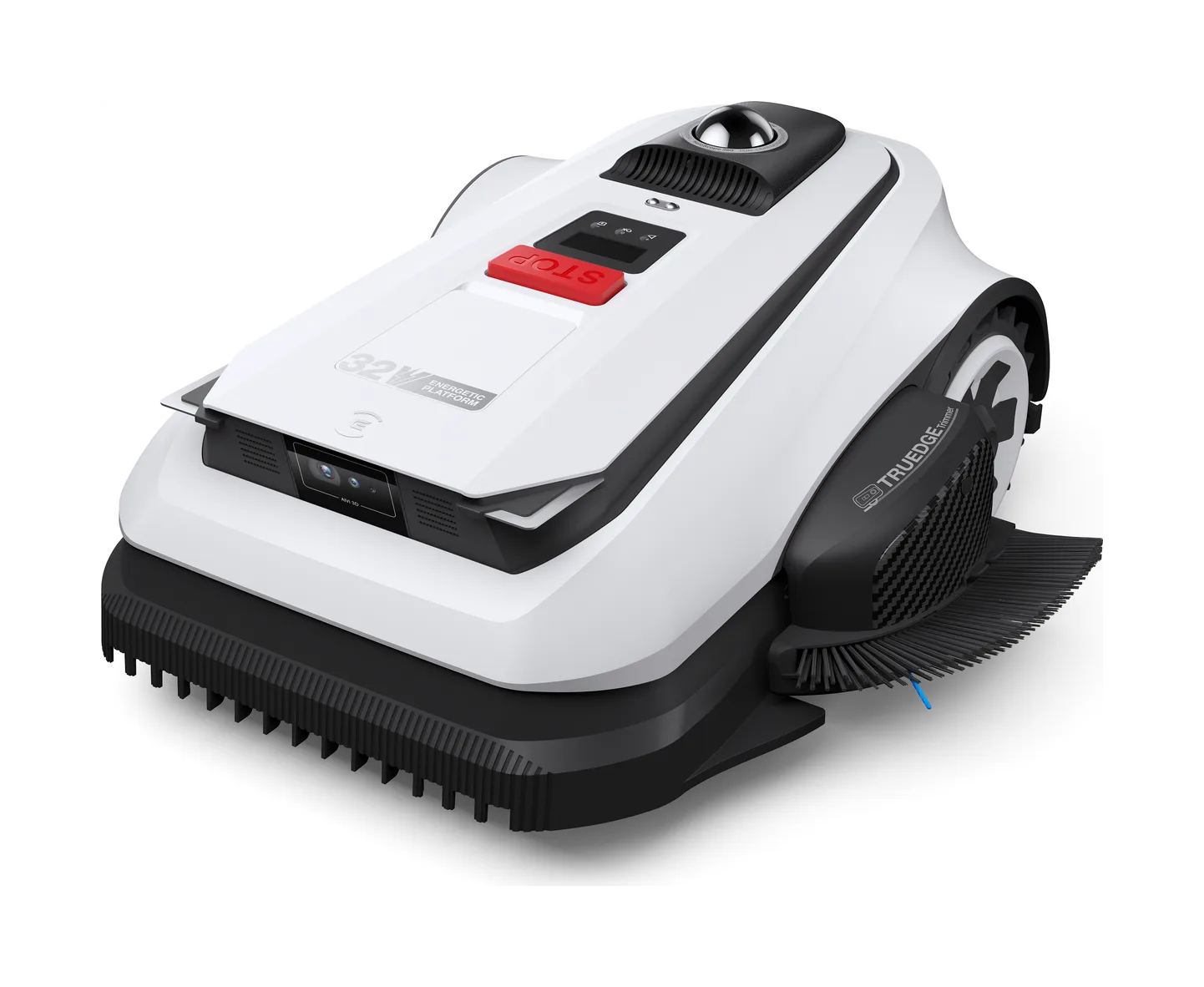
Multiline LiDAR with no RTK, a built-in trimmer that mows to the edge, 13 in cutting width for about half an acre.
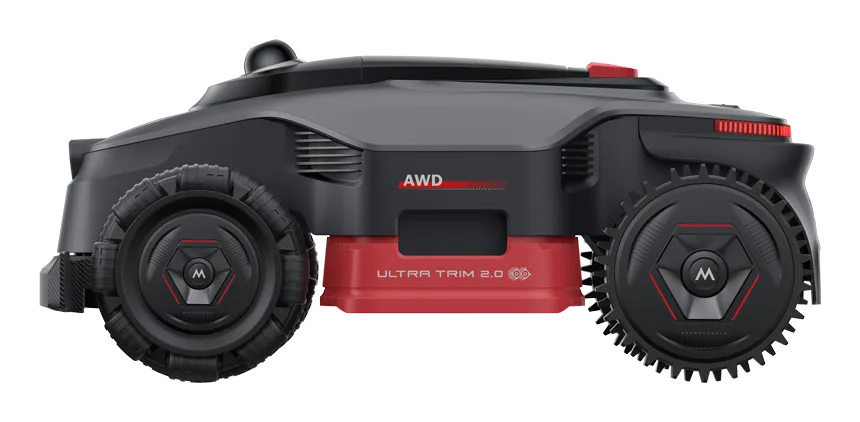
LiDAX Ultra AWD 2000 is the largest MOVA AWD model listed in France, with a wide 40 cm deck, 4 hub motors, a 32.4 V battery and 150 zones.
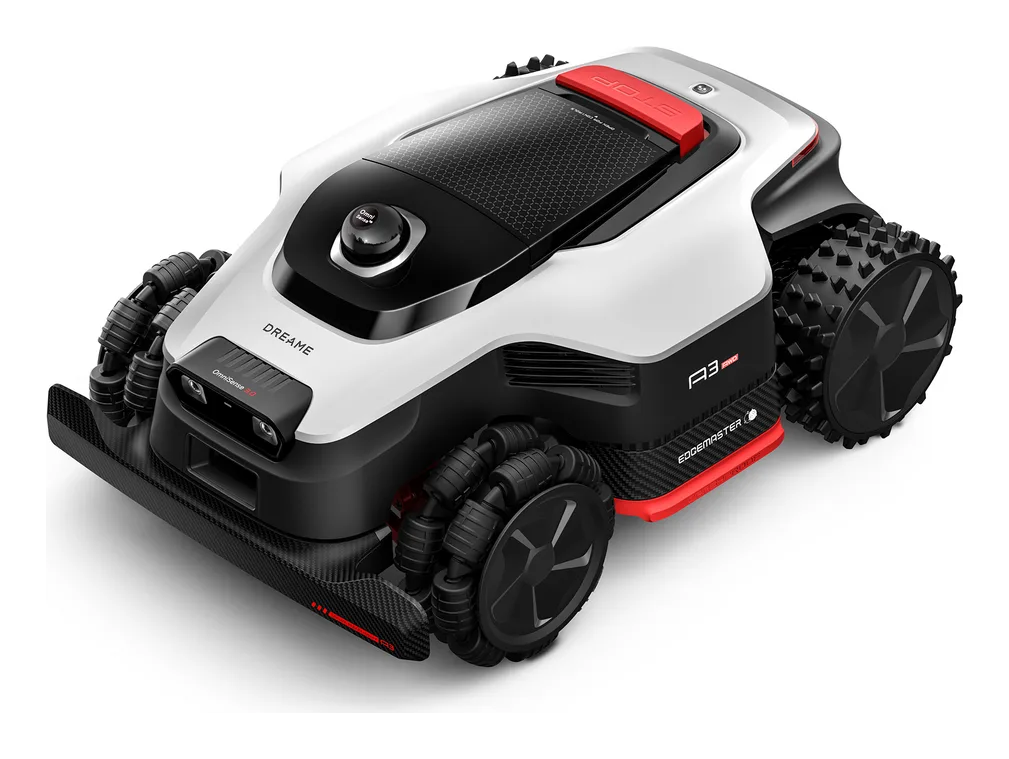
Dreame A3 AWD 2000 brings OmniSense 3.0 below the Pro series, with all-wheel drive, 360° 3D LiDAR, binocular AI vision, 150 zones and a 2,000 m2 target area.
Every side-by-side we publish for this mower, specs and verdict.
Latest verification of official and technical sources.